
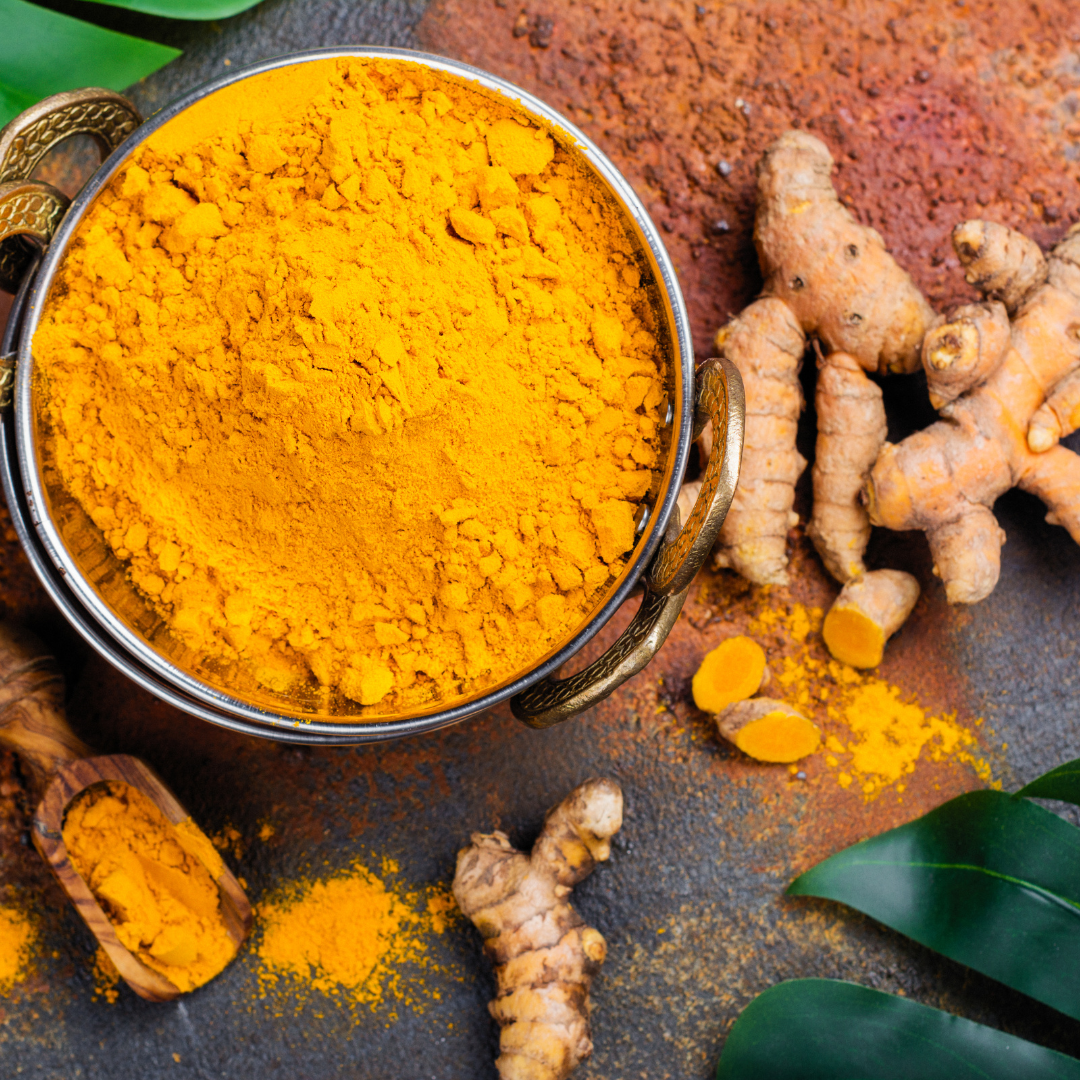
Turmeric, a golden-yellow spice derived from the root of the Curcuma longa plant, has long been used in traditional medicine for its powerful anti-inflammatory, antioxidant, and healing properties. While it’s commonly found in Indian curries and various foods, turmeric offers a wide array of health benefits for dogs as well. Known primarily for its active compound curcumin, turmeric can be a valuable addition to your dog’s diet, promoting overall health and well-being.
In this blog, we’ll explore the top benefits of turmeric for dogs and how you can safely incorporate it into your dog’s routine.
1. Anti-Inflammatory Benefits
One of the most well-known benefits of turmeric for dogs is its anti-inflammatory properties. Chronic inflammation in dogs can result from conditions such as arthritis, joint pain, and other inflammatory diseases. Inflammation is often associated with pain, stiffness, and reduced mobility.
Arthritis and Joint Health: If your dog suffers from arthritis or joint discomfort, turmeric may help reduce inflammation in the joints, alleviating pain and improving their mobility. Its anti-inflammatory action can also help manage conditions like hip dysplasia and other degenerative joint issues.
Natural Pain Relief: Instead of relying on pharmaceutical painkillers with potential side effects, turmeric can provide a natural alternative that can help relieve your dog’s discomfort over time.
2. Antioxidant Properties
Turmeric is rich in antioxidants, which are essential for fighting off free radicals in the body. Free radicals are unstable molecules that can damage cells and contribute to the aging process and various diseases.
Cellular Health: By reducing oxidative stress, turmeric helps protect your dog’s cells from damage, potentially slowing the aging process and reducing the risk of chronic diseases.
Cancer Prevention: The powerful antioxidants in turmeric also help protect against the development of certain types of cancer. While turmeric is not a cure for cancer, it can play a role in maintaining cellular health and potentially reducing the risk of cancerous cell growth.
3. Supports Digestive Health
Turmeric has been used for centuries to treat digestive issues in both humans and animals. It can help promote healthy digestion and ease discomfort caused by various gastrointestinal problems.
Anti-Inflammatory for the Gut: If your dog suffers from conditions like inflammatory bowel disease (IBD) or gastritis, turmeric may provide relief by reducing inflammation in the digestive tract. This can help soothe the stomach lining, reduce discomfort, and improve nutrient absorption.
Digestive Enzyme Production: Turmeric has been shown to promote the production of bile, which aids in digestion and fat metabolism. This can be particularly beneficial for dogs with poor digestion or those experiencing nausea and upset stomachs.
4. Supports Liver Health and Detoxification
The liver plays a crucial role in detoxifying the body and processing waste. Turmeric can help support your dog’s liver health by promoting detoxification and encouraging healthy liver function.
Liver Protection: The antioxidants in turmeric can help protect the liver from damage caused by toxins, free radicals, and other harmful substances.
Detoxification: Turmeric supports the body’s natural detox process by helping to remove waste products and toxins, improving your dog’s overall well-being and energy levels.
5. Boosts Immune System Function
A strong immune system is essential for protecting your dog from illnesses and infections. Turmeric can help boost your dog’s immune system by enhancing the body’s defense mechanisms.
Antibacterial and Antifungal: Turmeric has natural antibacterial and antifungal properties, making it a great addition to help fight off infections. It can be particularly helpful for dogs prone to skin infections, ear infections, or urinary tract infections.
Supports Immune Response: The active compounds in turmeric help regulate the immune system and promote a healthy immune response, supporting your dog’s body in fighting off diseases and infections.
6. Promotes Healthy Skin and Coat
Turmeric can benefit your dog’s skin and coat, helping to treat skin irritations and promoting a healthy, shiny coat.
Skin Infections and Irritations: The antibacterial and anti-inflammatory properties of turmeric can help treat skin issues such as rashes, hot spots, and allergic reactions. It can also be useful in treating minor cuts, scrapes, or insect bites.
Healthy Coat: Regular use of turmeric can also improve the overall quality of your dog’s coat. It may help reduce shedding, promote hair growth, and give your dog’s coat a natural shine.
7. Supports Heart Health
Turmeric has been shown to have a positive effect on cardiovascular health, which is especially important as dogs age.
Reduced Cholesterol: Turmeric can help reduce the levels of bad cholesterol (LDL) in the body, reducing the risk of heart disease.
Blood Circulation: The spice can help improve blood circulation by supporting healthy blood vessel function, which is important for your dog’s heart and overall cardiovascular health.
8. Helps with Allergies
Many dogs suffer from seasonal or food allergies, which can cause discomfort like itching, redness, and digestive upset. Turmeric can provide relief from allergy symptoms by reducing inflammation and acting as a natural antihistamine.
Allergic Reactions: By reducing inflammation in the body, turmeric can help ease symptoms of allergies, such as itchy skin, ear infections, and respiratory issues. It can also support the immune system to help prevent allergic reactions in the first place.
9. Mental Health and Cognitive Function
Just as turmeric benefits the physical body, it can also support your dog’s mental health and cognitive function, especially as they age.
Neuroprotective Benefits: The antioxidants and anti-inflammatory properties of turmeric can help protect the brain from age-related degeneration, improving mental clarity and memory. This can be particularly beneficial for senior dogs experiencing signs of cognitive dysfunction, similar to dementia in humans.
Mood Enhancement: Turmeric can also have mood-boosting effects, reducing anxiety and supporting a calm, balanced demeanor.
10. How to Give Turmeric to Your Dog
If you’re interested in adding turmeric to your dog’s diet, here are some ways to incorporate it naturally:
Turmeric Powder: You can sprinkle turmeric powder on your dog’s food, but be sure to start with small amounts (about 1/4 teaspoon for small dogs, and 1/2 teaspoon for larger dogs). You can gradually increase the amount as needed.
Golden Paste: A popular way to give turmeric to dogs is by making golden paste, which is a mixture of turmeric, coconut oil, and black pepper (which enhances the absorption of curcumin). The paste can be mixed with your dog’s food. You can find many recipes online to make this paste.
Turmeric Supplements: There are also many turmeric supplements available for dogs, usually in the form of chewable tablets or capsules.
Turmeric Essential Oil: Add a drop or two of high-quality, pure turmeric essential oil to your dog’s food for added benefits.

Conclusion
Turmeric is a powerful natural remedy that can offer a wide range of health benefits for dogs, from reducing inflammation and supporting joint health to boosting the immune system and promoting a healthy coat. Whether your dog is dealing with arthritis, allergies, or simply aging gracefully, turmeric can play a supportive role in their overall well-being.
Before adding turmeric to your dog’s diet, it’s always a good idea to consult with your holistic veterinarian, especially if your dog has underlying health conditions or is on medication. With proper use, turmeric can be a natural, safe, and effective way to improve your dog’s quality of life and help them stay healthy and happy for years to come.